







Compare a haircut or treatment for frizz in humid weather
Take one photo after your usual drying routine and another after a humid commute or rainy outing. Note whether the main concern is extra width, rough-feeling ends or loss of a polished finish. Those observations give a salon consultation in Hong Kong a clearer starting point than asking for a general anti-frizz solution.
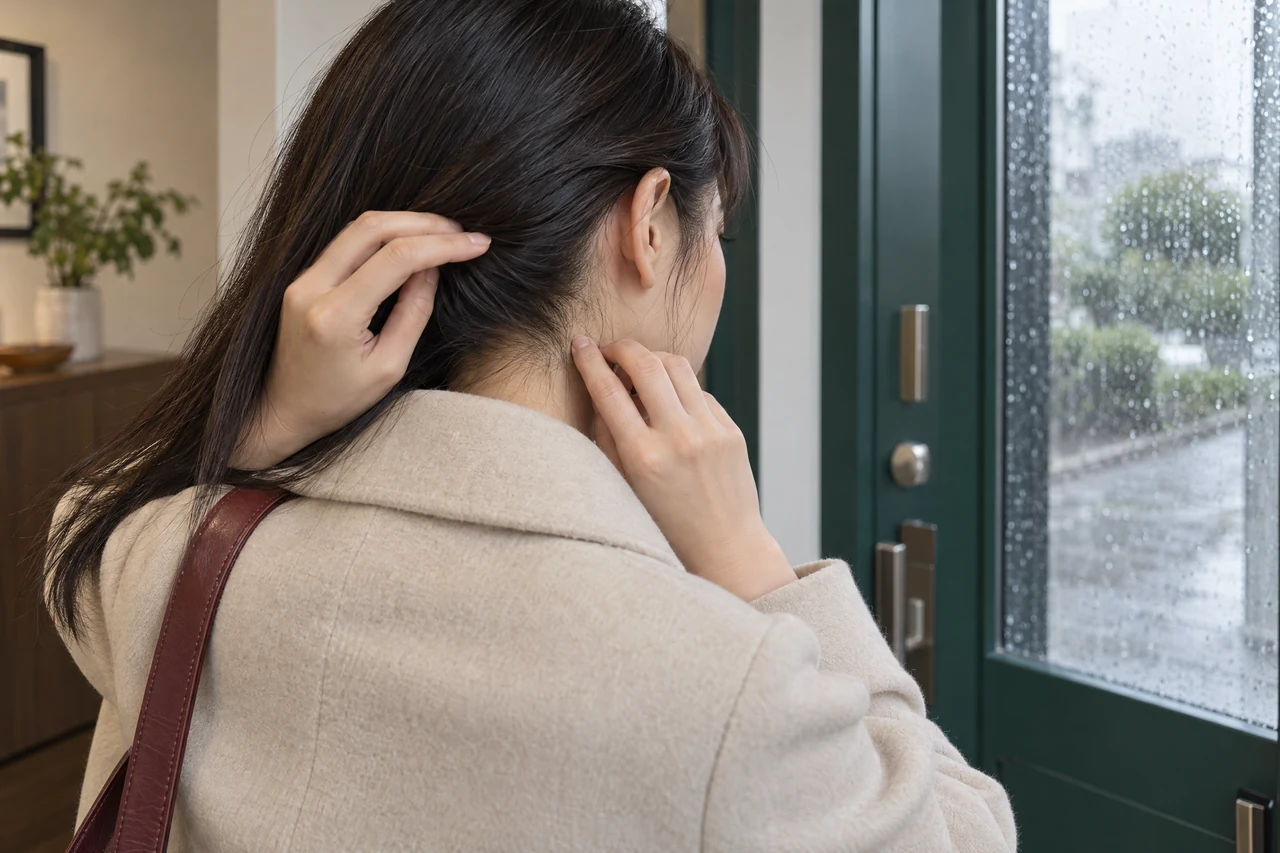
Keep the camera angle and parting similar so the difference is easy to explain. A front view can show an expanding fringe or sides, while a back view reveals whether only the lower outline changes. Record whether you walked under shelter, were caught in rain or tied your hair up; those circumstances help make sense of the photographs.
Choose haircut reference photos that show the specific length or outline you prefer, and keep them separate from photographs documenting your own humid-day changes.
Define the goal of a haircut or treatment for frizz in humid weather
Describe an improvement you could recognise on an ordinary workday. That might mean less width around the cheeks, ends that are easier to comb, or waves that look intentional after travelling to Sheung Wan. Then name something you do not want to lose, such as a ponytail length or a soft bend. These boundaries make it easier to compare options without treating every loose strand as a fault.
Observe crown height during a humid day
When considering how to keep hair volume in humidity, separate the shape after drying from what happens during your normal day. Note when the crown drops, whether root products feel heavy and how much reshaping you can do. Discuss a practical parting, a manageable outline and a realistic drying routine rather than expecting a single product or service to hold every style all day in Hong Kong's humid weather.

When shape is the main concern
If your hair puffs out at the sides in damp weather, point to those areas and explain the shape you would prefer. Ask whether a change in length or weight distribution could work with that movement. Cutting shorter is not automatically the answer; compare the proposed outline with how your hair behaves outside, not just after a salon finish.
Before agreeing to remove bulk, ask which area would be adjusted and what would remain. A lighter side outline and a thinner end line are not the same result. If you like the fullness of your ends but dislike width near the ears, explain that distinction. A consultation should connect the proposed cut to the exact area that troubles you.
Continue with haircut for a busy lifestyle for that specific comparison and the preparation questions it raises.
Discuss where the outline expands
Show the widest point in your humid-day photograph rather than requesting layers everywhere. Explain whether the same area expands when you leave your hair naturally wavy. For a shoulder-length cut, include how the ends sit against your clothes. Ask the stylist to describe the intended dry outline, including how much natural movement remains visible without a highly polished finish.
Keep useful weight and length in the conversation
If tying your hair back is your rainy-day fallback, test the minimum length you need before choosing a shorter shape. Discuss whether face-framing pieces would stay in the tie or fall forward. Keeping some length may suit your routine better than a dramatic chop, especially if you cannot reshape shorter sections during the day. Shorter hair is a different maintenance choice, not an automatic humidity solution.
Previously processed lengths in damp weather
Does humidity make damaged hair frizzy? Moisture in the air can affect how porous or previously processed lengths behave, but the response varies. Note where the outline expands and review drying, friction and product use. Conditioning may support manageability; it should not promise all-day frizz prevention or permanent repair. A shape goal should be discussed separately from softer feel.

Separate conditioning from changing texture
If you want to keep your curls, say so before discussing treatment. Conditioning focuses on the feel and manageability of the hair, while straightening aims to change its texture. Frizz that appears only on humid days does not by itself establish a need for straightening. Ask about the actual procedure, suitability and aftercare rather than relying on a smoothing label.
The American Academy of Dermatology's leave-in conditioner guidance explains that conditioning can reduce frizz and make detangling easier. It also recommends lighter formulations for fine, straight hair to avoid a limp or greasy appearance. This supports a discussion about feel and product suitability; it does not establish that conditioning will hold a chosen haircut outline throughout a humid commute.
Review hair treatment to check its service scope and the details to share before arranging the related work.
Review hair straightening to check its service scope and the details to share before arranging the related work.
State whether you want to keep your curls
Be specific about the movement you value: waves through the middle, curled ends, or fullness near the roots. If your aim is softer curls rather than straight hair, ask whether the suggested service is intended to alter those features. Bring a photograph of your curls on a day you like them, not only one showing the frizz you want to reduce.
Ask what a proposed straightening service changes
Discuss the intended area, the expected shape when you dry it normally, and how previously coloured or permed lengths affect suitability. Explain any future plans for colour or curls before proceeding. If the concern is limited to the fringe, ask whether a local discussion is appropriate rather than assuming the whole head needs treatment. The service choice should follow your desired movement, not simply the weather forecast.
Compare softer feel with a change in shape
In Hong Kong's humid weather, compare conditioning and drying habits with a proposed smoothing or straightening procedure. Even naturally straight hair can become puffy or frizzy, so a straighter shape is not automatically the answer. If you are considering a keratin programme, ask about the actual product and whether it changes movement. Neither a salon procedure nor a home routine guarantees completely frizz-free hair in all weather.

Plan for rainy days after a blow-dry
A salon blow-dry is a styled result, not a guarantee that the same shape will last through rain, moisture or your usual commute. Tell the stylist how quickly it changes and what tools you use at home. Discuss a cut and finish that allow for your natural movement, alongside care instructions specific to any service you choose.
Separate an occasional polished finish from your everyday requirement. If you want a neat outline for work but are happy with gentle waves by lunchtime, that is a different brief from wanting consistently straight lengths. Ask to see which details depend on the salon's brush work so you can decide whether you want to reproduce them at home.
Describe when the finish changes
Explain whether the change begins before leaving home, during the walk to transport, or after arriving indoors. Note whether it is a loss of root lift, scattered face-side hairs or a return of bends along the lengths. A finish that never matches at home raises a different consultation question from one that matches initially and changes only outdoors.
Agree on realistic upkeep
Describe the equipment you actually own and whether you can dry sections separately. If repeated straightener touch-ups are your current response, explain how often you do them rather than requesting a stronger finish without context. Agree on which step matters most for the chosen design. Any recommended conditioner should be matched to your hair, and heat protection should be checked on its packaging rather than assumed.
Bring current hair, references and the details to retain
Korean perm care in humid weather starts with a routine matched to the treated hair. Follow the washing instructions for your service, dry the bends in the agreed direction and avoid adding heavy product each time the outline changes. Compare dry photographs in similar conditions before discussing an adjustment; no perm should be assumed to make the hair weatherproof.

Check the proposed procedure before choosing a smoothing label
Words such as smoothing or keratin do not tell you enough to make this decision. Ask for the actual product name and whether the proposal is conditioning, temporary styling or a texture-changing procedure. Then compare it with your stated goal. A service intended to flatten movement may be a poor match if you want to keep an airy crown and curled ends.
Ask product and process questions together
The FDA's advice on hair smoothing products recommends asking about ingredients, the Safety Data Sheet, application training and ventilation. It notes that not all smoothing products contain formaldehyde. These are questions about a proposed product and process, not claims about any particular Vit So service. Request clear answers before deciding, especially if you have had a previous reaction.
Turn your humidity observations into a practical appointment plan
Choose the main outcome first, then ask what additional work serves it. If shape is the priority, discuss the cut before adding conditioning; if rough-feeling ends are the priority, clarify care goals before changing length. Use the comparison below to keep each option tied to its purpose rather than treating every service as an interchangeable anti-frizz package.
The preparation checklist below has 6 points. Bring those details to an enquiry and ask for a proposed scope, its price and the upkeep involved. If you want to keep natural bends, the guide to a haircut for naturally wavy hair offers a more focused discussion of the dry pattern before you commit to straighter hair.
Agree on what you will review after the visit
Decide how you will assess the plan after your usual wash and a normal journey outdoors. Look for the agreed improvement, such as a less wide outline or easier detangling, rather than demanding that every strand stay identical to the salon photograph. Keep the product and drying details with your new photographs so a follow-up can address the remaining concern specifically.
Choosing a starting point when humid weather changes your hair
| What you notice | Useful first discussion | Trade-off to clarify |
|---|---|---|
| The sides become wider, but the ends feel acceptable | Haircut outline and weight placement | Which length and fullness should remain? |
| The outline is acceptable, but lengths feel rough or tangled | Conditioning and manageability | Can the proposed care suit your hair without weighing it down? |
| You dislike the natural bends, not just loose strands | Texture change and straightening suitability | Which curls, root volume and future styling choices could change? |
| The polished finish changes after your commute | Everyday finish and manageable upkeep | Which salon-styled details can you reproduce, and which movement can you accept? |
| Old permed or coloured sections behave differently | Hair history and the specific affected area | Does the proposal respect the lengths you want to retain? |
Your preparation checklist
- Bring comparable photographs after your normal drying routine and after a humid outing; note the circumstances of each.
- Identify the main concern as outline, feel or loss of finish, and point to the specific area involved.
- State the length, curls and crown fullness you want to retain, including any minimum length needed for tying back.
- List previous colour, bleach, perm or straightening work, and identify which sections still contain those treatments.
- Describe your products, tools and available styling time so the proposed upkeep fits an ordinary morning.
- Confirm the actual procedure, product information, service scope and quotation before deciding whether to proceed.
Frequently asked questions
Can a haircut stop humidity-related frizz completely?
No haircut can guarantee that. Its shape may be better suited to the way your hair expands, but weather, texture, drying and products still affect the result.
What should I ask about rainy-day hair?
Explain what changes outdoors and ask whether the concern is best addressed through shape, conditioning or texture change. Include whether retaining your curls is important to you.
Does a treatment name confirm which method will be used?
No. Ask which procedure and products are proposed, what they are intended to change and what aftercare applies. A name alone does not confirm availability, suitability or a permanent result.
Discuss a humid-day shape you can live with
Send Vit So your current hair photographs, what changes outdoors and the length or curls you want to keep. Enquire about a consultation at 252 Hollywood Road, Sheung Wan, to compare the relevant haircut, conditioning or straightening scope. Share your daily styling limits so the conversation starts with a workable goal. An enquiry is not a confirmed booking; confirm availability, suitability and the quotation before your visit.
Start your WhatsApp enquirySources & further reading
- Dermatologists' top tips for using leave-in conditioner
Conditioning can reduce frizz and aid detangling; formulation and heat-protection claims should be matched to the hair and checked on product packaging.
- Formaldehyde in Hair Smoothing Products: What You Should Know
Consumer questions about actual smoothing-product ingredients, Safety Data Sheets, application training and ventilation.



