







Uneven curls after a perm: make a fair comparison
Take front, side and back photographs after using the same parting and drying approach. Include both sides rather than only the area that concerns you. Note whether the difference appears wet, dry or after sleeping, and whether one side has different layers. This gives the discussion more context than a single styled close-up.
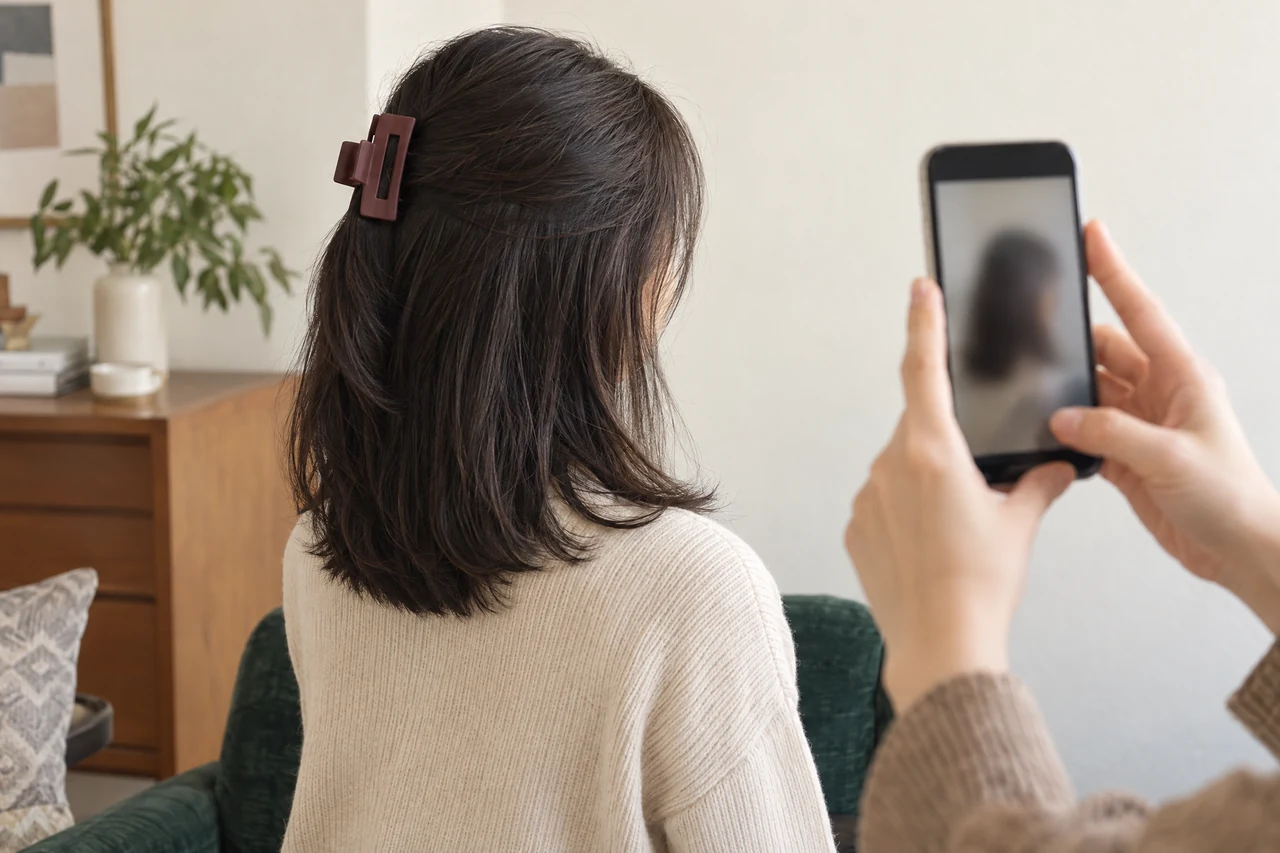
Choose your usual parting and let the hair fall without pulling a curl down for the photograph. Compare similar areas: the face-framing sections with each other, then the side lengths and lower back. A shorter layer beside the cheek and a longer section resting on the shoulder are not equivalent reference points. Describe whether the concern is a wider bend, an outward-facing end or less volume, rather than calling every difference a missing curl.
Keep the wash and drying conditions as similar as reasonably possible. Record any leave-in product and whether you air-dried, used a diffuser or stretched sections with a brush. You do not need to repeat washes just to collect evidence. At your next normal wash, follow the aftercare instructions you received and record what you actually did.
Continue with perm aftercare for that specific comparison and the preparation questions it raises.
Photograph uneven curls after a perm in similar conditions
Use a plain background and steady light so the outline remains visible. Keep the camera at a similar height and include the ends instead of cropping at the shoulders. Ask someone to photograph the back if possible. Label left and right from your own perspective, because a mirrored selfie can confuse the discussion. Send an overall view alongside the close-up; the overall shape helps explain where the difference sits.
Describe fading separately from a new style request
If the curl seems straighter, describe which sections changed, when you noticed it and how you washed or styled the hair. Keep the original goal separate from wanting tighter curls now. Growth, cutting and styling can affect appearance, so avoid treating one picture as proof of a processing fault or a reason to re-perm immediately.
Locate the change along the strand. Is the root area flatter while the ends still bend, or does a previously visible wave in the middle now look less defined? Also note whether it concerns the whole head or a small patch. A description such as 'the left face-framing section looks looser after drying' gives a clearer starting point than 'the perm has disappeared'. It reports an observation without guessing a chemical cause.
Bring the original reference photograph if you still have it, but explain the feature you agreed to pursue. Broad waves beginning below the ears are different from defined curls close to the roots. If you now prefer more visible curls, say that separately. Reviewing a change in the original finish and planning a different style may require different conversations about condition, maintenance and cost.
Continue with can i get a perm again on permed hair for that specific comparison and the preparation questions it raises.
Record when the movement began to change
Write down the appointment date, the first time you noticed the difference and the date of each comparison photograph. Mention whether you saw it before washing, after the first home wash or only later. Include any haircut or new styling method introduced since the appointment. If a date is approximate, label it that way. A brief, honest timeline is more useful than trying to reconstruct every day from memory.
Dryness and breakage need their own account
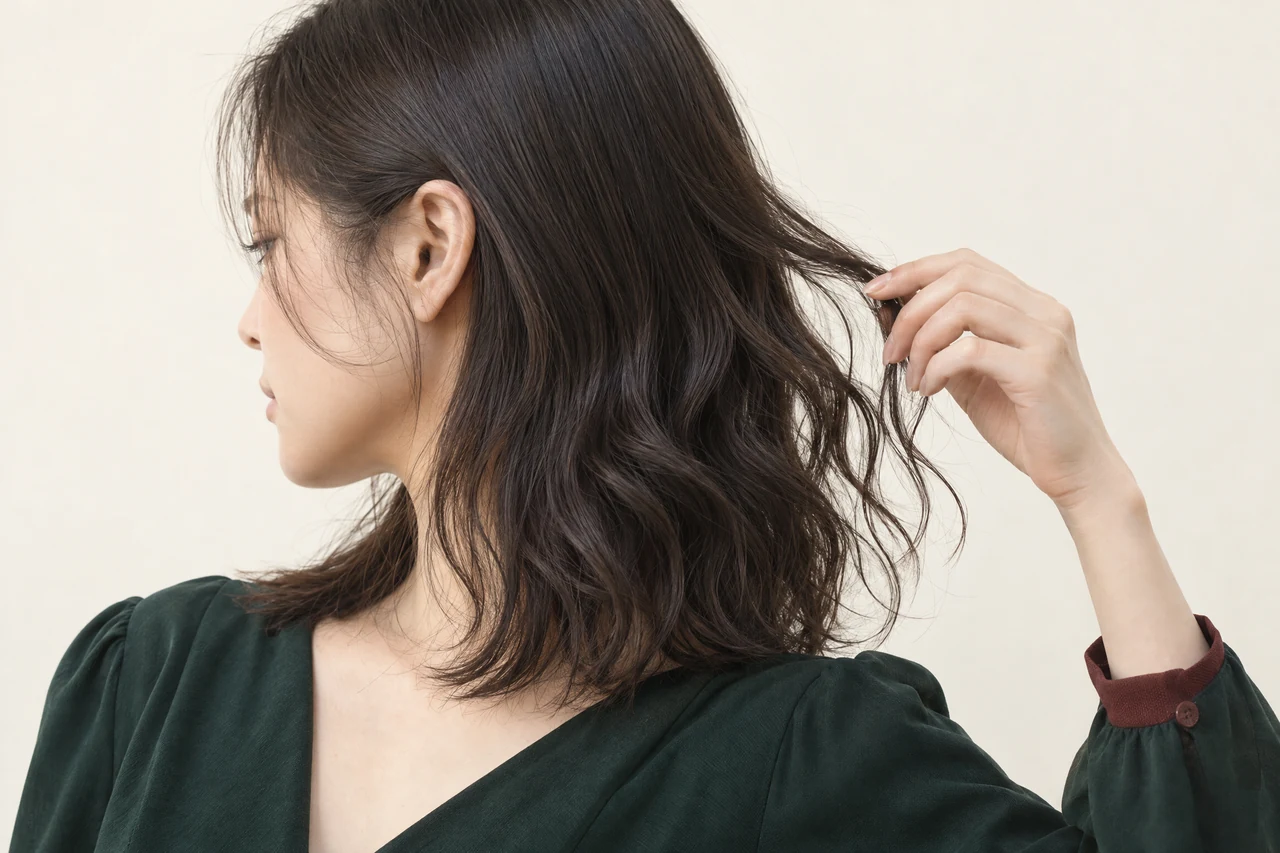
Dry hair after a perm should be described alongside tangling, roughness and any breakage you notice. Avoid adding another chemical process to solve a texture concern. Ask about appropriate gentle care and whether the hair needs assessment. If there is scalp discomfort or a suspected injury, seek appropriate professional help rather than relying only on styling advice.
Separate what you can see from what you can feel. Note whether the ends catch during gentle detangling, whether roughness is concentrated in older treated lengths, and whether short broken pieces have appeared. Do not deliberately tug or stretch strands to test them. Photographs can show the distribution of a concern, but they cannot reliably measure strength or establish whether a strand has broken rather than shed.
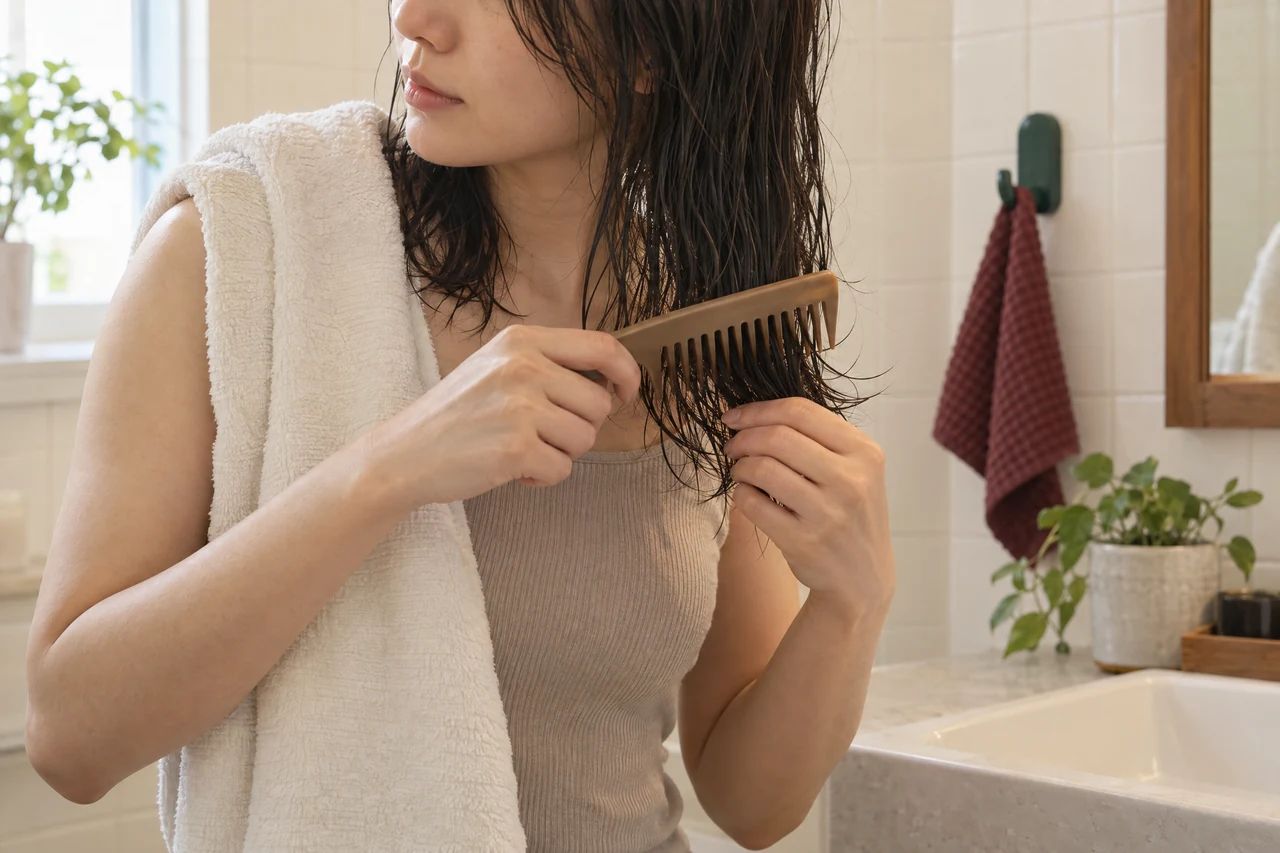
For everyday handling, the American Academy of Dermatology's damage-prevention advice recommends conditioner after shampooing, absorbing water with a towel rather than rubbing, and removing tangles gently without pulling. These steps address avoidable handling stress; they are not a way to diagnose the reason for a looser curl.
The Canadian Dermatology Association's hair-care guidance warns that colouring, perming and relaxing chemicals weaken hair and advises against applying them to already damaged hair. That supports reviewing condition before further processing, not choosing a stronger solution at home.
If comfort and manageability are the immediate priority, ask about hair treatment with a clear description of the affected lengths. Cosmetic conditioning should not be presented as permanent repair or a guaranteed restoration of the original curl.
Share the condition before discussing more processing
Include previous bleach, colour, straightening and perm history, even when only the ends were treated. Explain what was already dry before the latest appointment and what feels different now. If scalp pain, a rash or suspected injury is present, report it promptly and seek appropriate healthcare advice. Keep that concern separate from asking the salon to improve the shape.
Ask about the next step without assuming a remedy
Share the appointment date, original curl goal, treatment details you know and the routine used since then. Ask what additional information or assessment is needed and confirm any follow-up arrangements. A discussion may involve drying changes or a review of the hair, but a free correction, re-perm or exact restoration should not be assumed.
Start the enquiry with the main observation, then attach the comparison photographs and timeline. Explain what you would like help understanding: whether your drying method needs adjustment, whether a particular area needs an in-person look, or whether the current condition changes future options. If the perm was performed elsewhere, say so and share the information you have. Do not guess a product name or processing detail that you were never given.
Before travelling to Sheung Wan, ask whether the proposed visit is a consultation, a styling demonstration or an appointment that may include treatment. Confirm availability, scope and any charge. If additional work is suggested after assessment, ask for its purpose and quotation before agreeing. An enquiry is a useful first step, but it does not reserve time or approve a procedure.
Use book a hair appointment to send the intended work and possible dates; wait for confirmation before travelling.
Bring the treatment and routine details together
Keep your appointment information, original reference and current photographs in one place. Add the names of wash and styling products, the drying method and any relevant previous chemical services. Ask how to prepare the hair for an assessment, including whether it should be washed or left in its usual finish. Following the requested preparation is more useful than arriving with the concern concealed by a new styled look.
Keep temporary styling separate from the comparison record
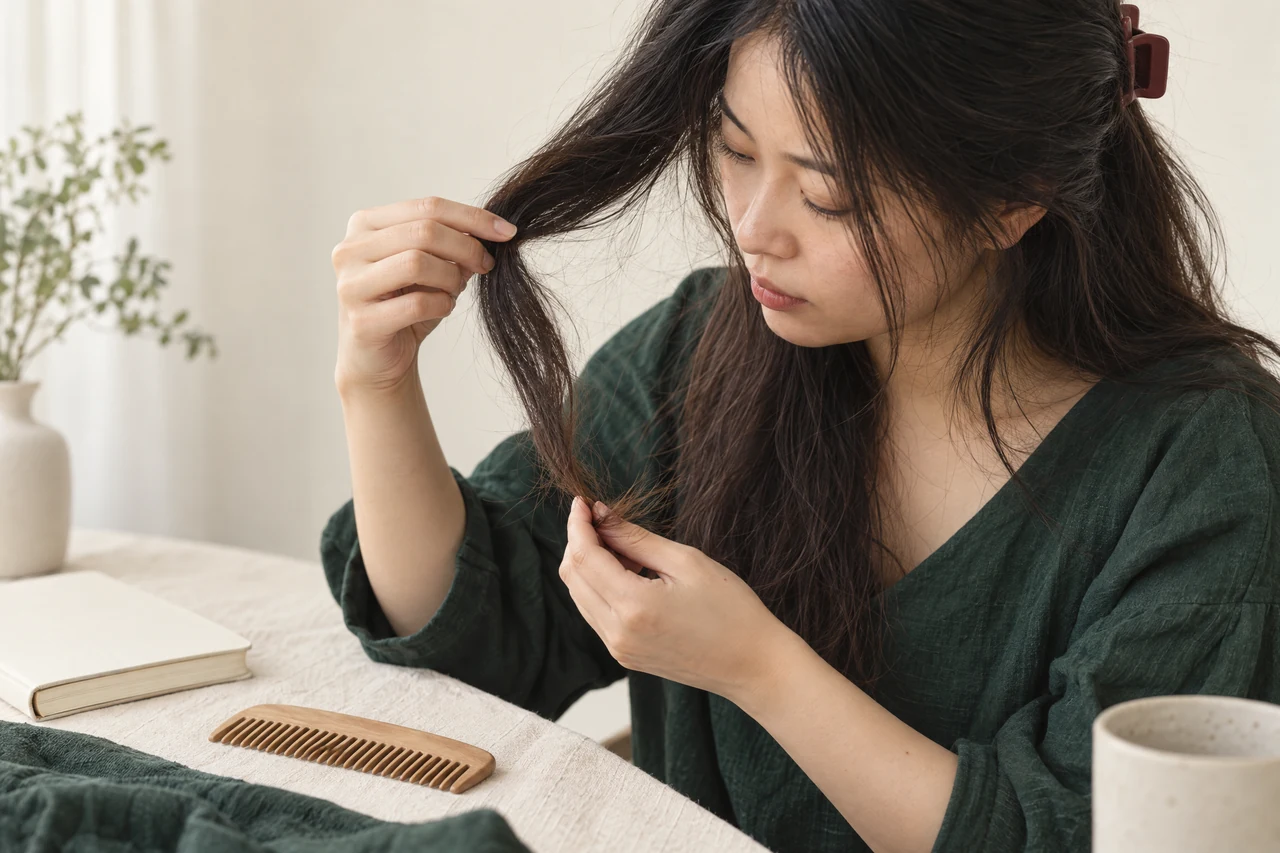
You may still need a presentable finish for work or an event while seeking advice. Photograph the usual dry shape before changing it, then label any later styled picture separately. A curl made with a hot tool or a section stretched smooth with a brush does not show the same conditions as your normal routine. Keeping those images distinct prevents a temporary finish from obscuring the original concern.
If you enquire about a wash and blow dry, explain that you want help understanding the drying technique as well as a wearable finish. Ask whether a demonstration is appropriate and what it would cost; do not assume it forms part of a follow-up.
Make a drying change easy to describe
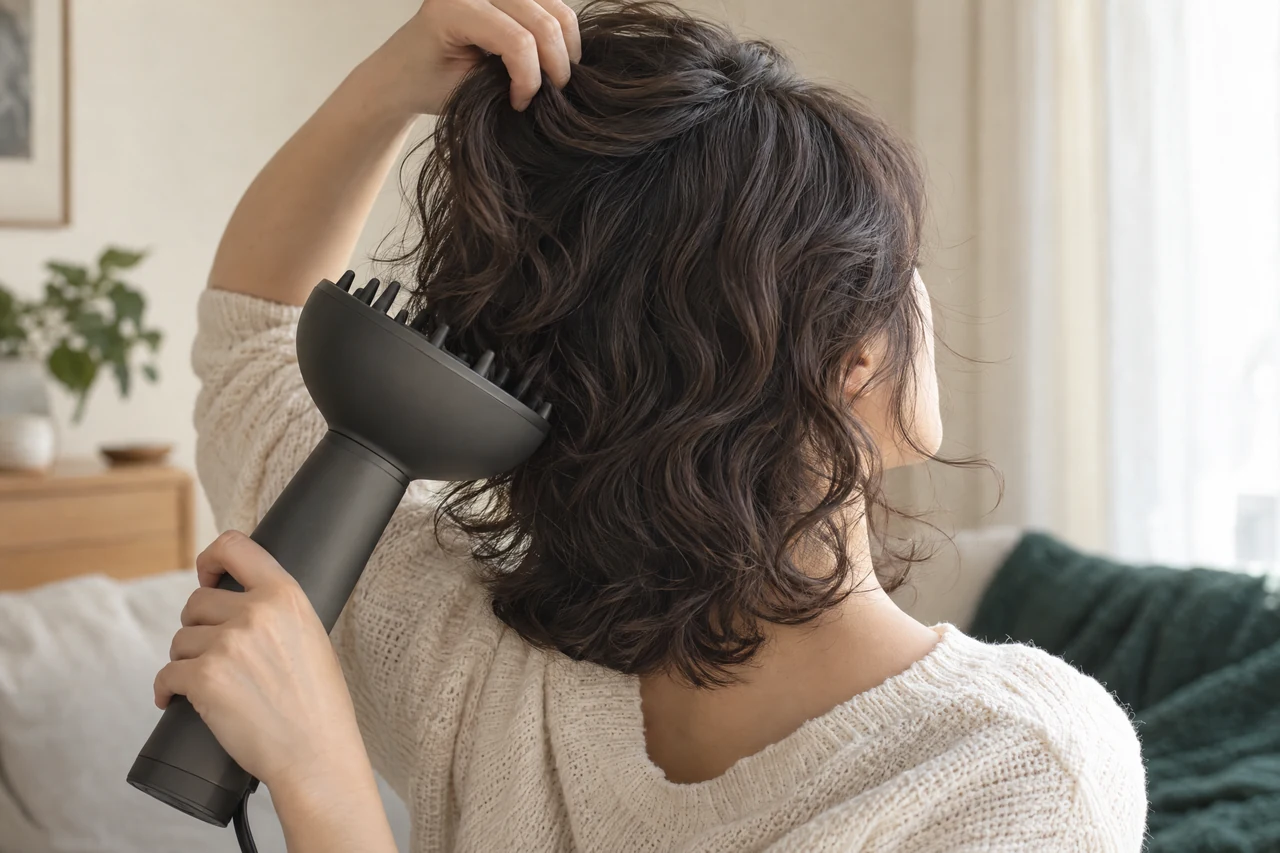
Record whether the stylist suggests changing brush tension, section size or the way a diffuser is used. If heat is involved, AAD guidance favours the lowest heat setting and less frequent heat-tool use. Avoid repeated high-heat passes simply to make both sides match. A routine adjustment can be discussed and observed without treating the resulting appearance as proof that the chemical service was right or wrong.
Prepare a concise curl-change enquiry
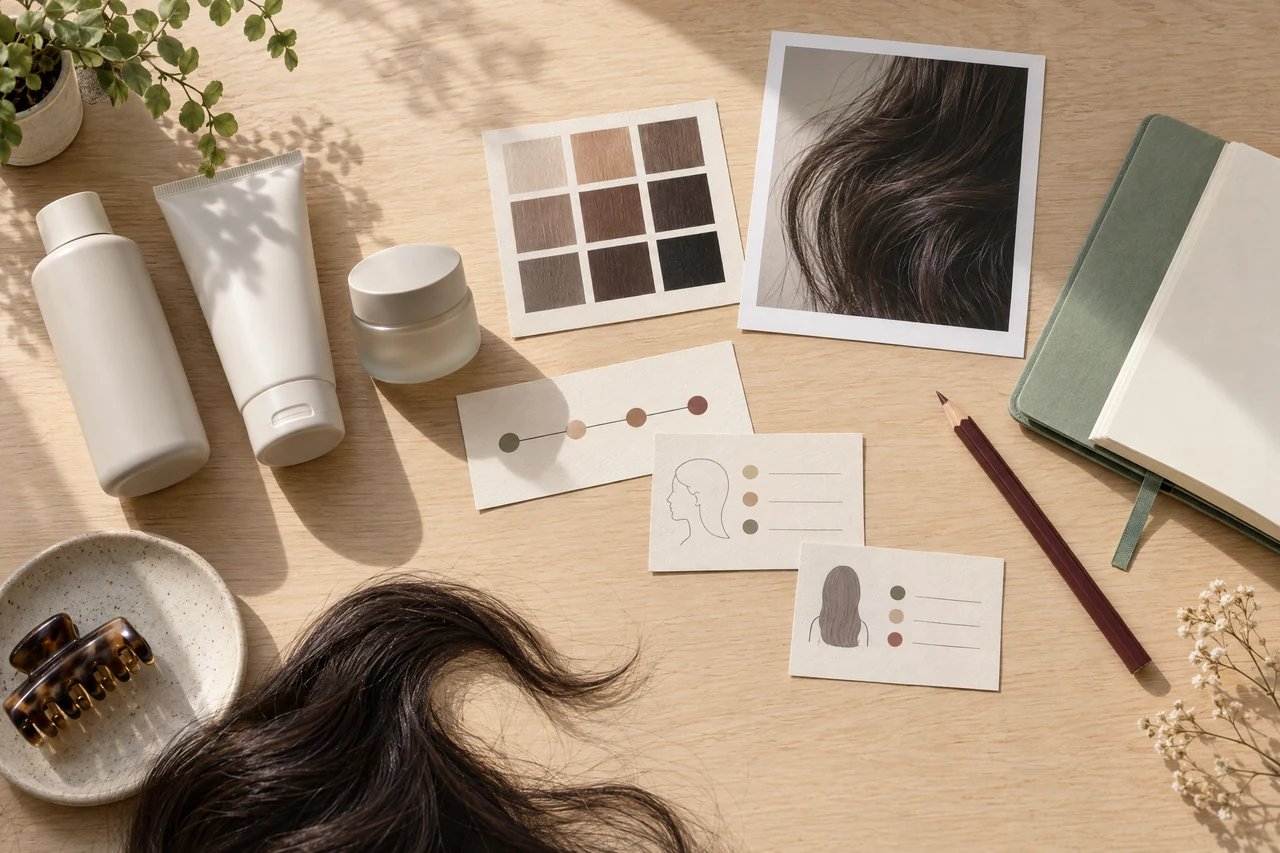
Use this 6-step checklist to prepare a curl-change enquiry. It is a practical editing aid, not a test of whether your perm succeeded. Aim to give enough information for a meaningful reply without sending an unlabelled collection of photographs. Put urgent scalp or injury concerns first rather than burying them underneath styling preferences.
End with the question you want answered
Choose a clear question, such as whether the salon needs to see the hair before advising on drying or future processing. Mention any upcoming event or travel that affects your availability, but leave room for assessment rather than demanding immediate re-perming. Once you receive a response, confirm the agreed preparation and next step so both sides understand what the visit is intended to cover.
How to describe different changes after a perm without assigning a cause
| What you notice | What to compare and record | Useful follow-up question |
|---|---|---|
| One side looks looser | Matching side sections after the same parting and drying method | Would these photographs be enough, or is an in-person assessment needed? |
| Both sides look less defined | The earlier finish, current dry shape and timeline of routine changes | How does the current movement compare with the original curl goal? |
| Ends feel rough or tangled | Affected lengths, previous treatments and any visible broken pieces | What gentle care is suitable before considering further processing? |
| Difference appears after sleeping or tying | The shape before and after that activity, with any styling clearly labelled | What everyday drying or handling adjustments should I discuss? |
| Scalp discomfort or suspected injury | Symptoms and timing, separate from curl photographs | What appropriate healthcare help should I seek rather than relying on styling advice? |
Your preparation checklist
- Identify the appointment date and original goal: curl size, starting point and the finish you hoped to maintain at home.
- Describe the affected area from your own left and right, distinguishing the roots, middle lengths and ends.
- Attach overall and close-up photographs with dates and labels for wet, dry or temporarily styled hair.
- List the wash products, parting, drying tools and any routine changes since the appointment.
- Note previous chemical services, current roughness or breakage, and any scalp symptoms that need separate attention.
- Ask what information or assessment is needed, then confirm preparation, availability, scope and any charges before visiting.
Frequently asked questions
Why is my perm going straight?
Appearance can change for several reasons, including styling, growth and the treated sections. Record the timing and affected areas, then seek individual advice; a remote photograph cannot establish one definite cause.
Should I re-perm immediately if one side looks looser?
Do not use another chemical process as an automatic fix. First compare the sides under similar conditions and discuss the current hair condition and original plan.
Is a follow-up or correction automatically free?
No such arrangement is established here. Confirm whether a review is appropriate and ask about its scope, availability and any charges before assuming a correction service.
Turn your curl-change notes into a clearer enquiry
Contact Vit So with your appointment details, original curl goal and comparable photographs. Explain whether your priority is uneven movement, dryness or understanding the drying routine, and ask what assessment is appropriate. Confirm any proposed visit and charges before coming to Sheung Wan; sending an enquiry is not a confirmed booking.
Start your WhatsApp enquirySources & further reading
- How to stop damaging your hair — American Academy of Dermatology
General recommendations for conditioning, gentle towel use and detangling, and limiting heat stress while documenting changes after a perm.
- Hair Care — Canadian Dermatology Association
Chemical styling can weaken hair and increase breakage susceptibility; already damaged hair should not be subjected to another such process as an automatic fix.



