






Vit So and DT HUB have the same owner. DT HUB links are related-brand promotional enquiry links, not independent reviews or evidence of service outcomes. The public DT HUB location in Kwun Tong is distinct from Vit So in Sheung Wan.
Define wedding makeup and hair role boundaries before booking
Start with the work you expect to receive rather than the package name. Makeup preparation and application, hair finishing, accessory fitting and a joint final check are separate tasks, even when they happen in the same chair. Ask the booking contact to identify who performs each one and who can approve a requested adjustment. One coordinator can simplify communication, but a coordinator is not necessarily the person carrying out every service.
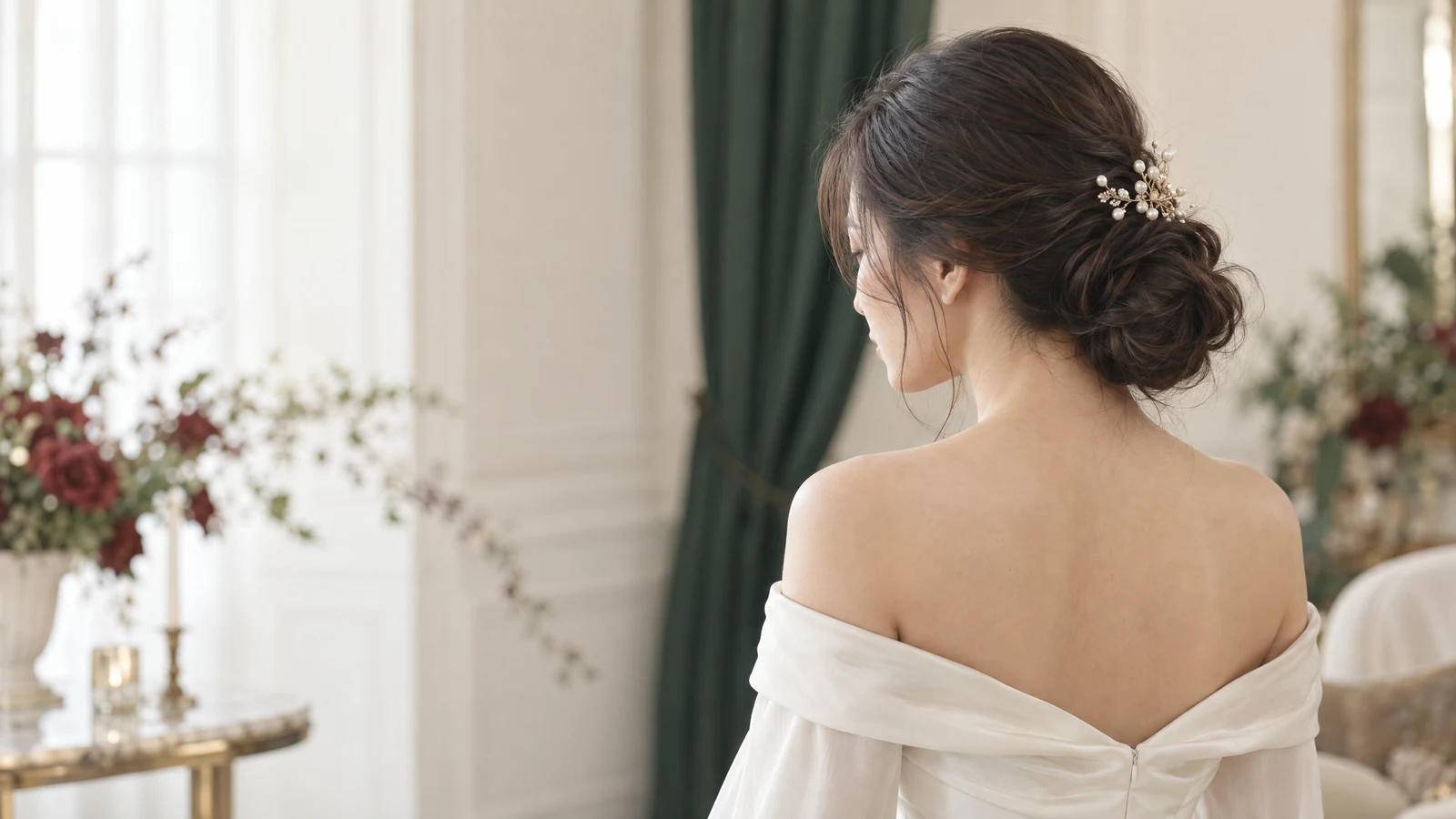
For a Kwun Tong enquiry, the bridal makeup kwun tong page describes bridal makeup and hair, a trial and a final review. Use those descriptions to ask what completion means in your booking: does it include fitting your actual veil, checking the hair from behind and explaining later questions? Public package wording is a starting point, not a named staffing confirmation or a promise that someone remains with you afterwards.
Ask for the agreed scope and exclusions in writing before paying a deposit. In its guidance on overseas wedding packages, Hong Kong's Consumer Council recommends comparing package contents and recording special requirements in a written contract. [1] That report is not a survey of local makeup appointments, but its documentation principle is useful here: record the actual venue, included work and arrangements for changes instead of relying on a reassuring conversation.
Completion is a handover, not an all-day promise
Define the point at which the provider's booked work ends. A final mirror review may close the appointment, while later attendance requires another arrangement. Ask who receives questions after that point and whether the answer will be advice, a return visit or separately quoted work.
Decide whether one team or separate providers suits the work
A combined appointment can suit a bride who wants one discussion about overall balance and one contact for amendments. Separate providers can suit someone with an established makeup artist and a preferred hairstylist, or a hair requirement outside the makeup booking. Neither arrangement removes the need to assign tasks. With separate providers, identify who resolves a conflict between a face-framing strand, an earring and the makeup finish rather than letting each assume the other will adjust it.
The makeup and hair styling kwun tong page describes a complete-look appointment and also lists makeup-only and hair-only services. Ask which option your quotation actually covers. A combined menu does not prove that the same practitioner does both jobs, and a hair-only enquiry should not silently expand into makeup preparation or later cosmetic touch-ups. Confirm whether a joint final check is possible if the services finish at different places.
Use the bridal hair enquiry guide to explain the hair task separately: show the desired silhouette, the accessories you will supply and anything you do not want changed. If both providers need to see the look beforehand, the wedding hair trial preparation guide can help organise the references. A trial records choices and questions; it does not itself establish venue support or permission for someone else to rework the finished hair.
Share the agreed preparation instructions with both providers. If their instructions differ, ask them to resolve the difference before the appointment rather than choosing a generic routine online. Also assign who fits the veil once the makeup and hair are complete. That practical overlap deserves a named owner even when the rest of the services are clearly separated.
Separate a touch-up kit, remote advice and venue attendance
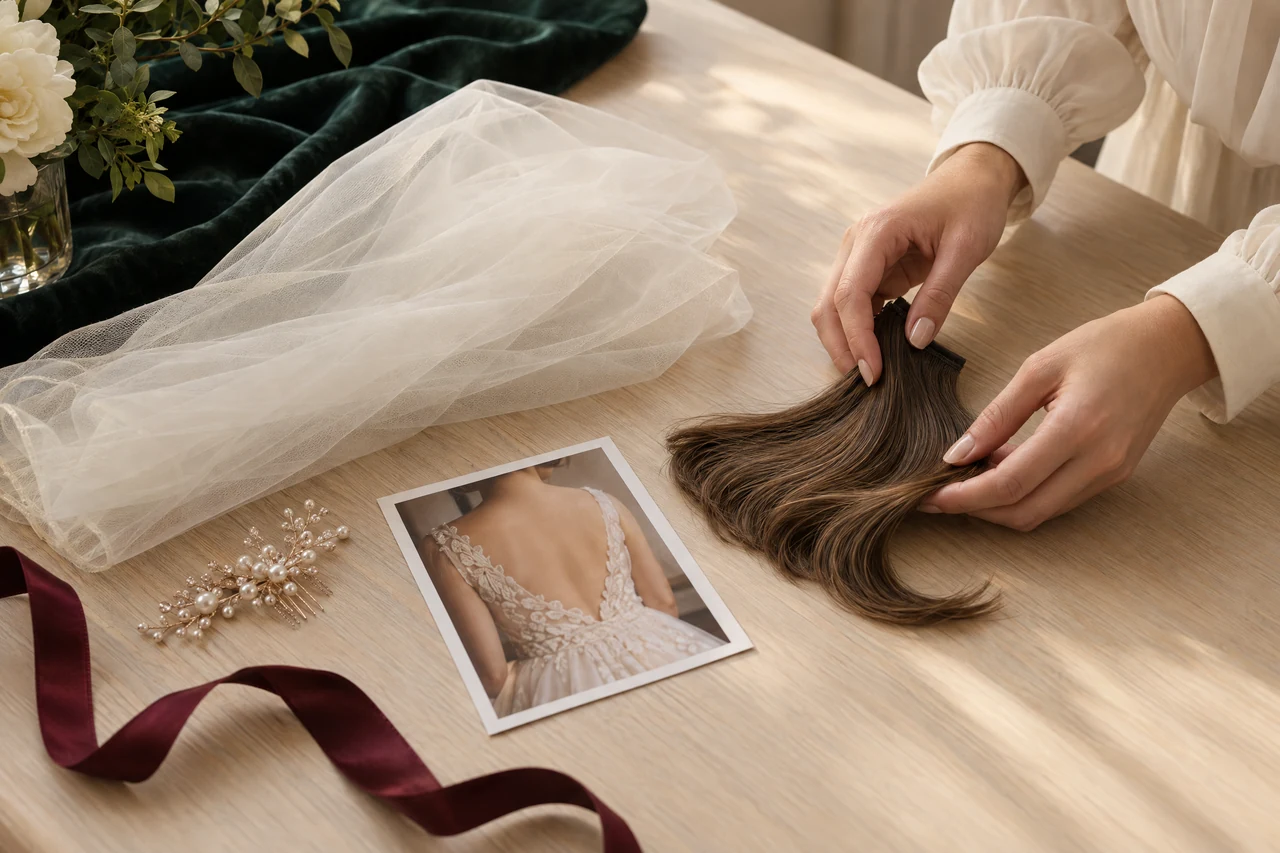
A touch-up kit supplies items; remote advice supplies guidance; venue attendance supplies someone physically present to do agreed work. These are different forms of support. If you only want to refresh lipstick, an explained personal kit may match your preference. If you expect someone to assess and correct the whole look after the ceremony, ask for an in-person service with a defined scope. Neither option guarantees an unchanged finish throughout the day.
When reviewing wedding makeup hong kong, notice that the page discusses kits and WhatsApp support separately from arranging presence for a look changeover. Your bridal touch up responsibility questions should therefore be specific: who holds the kit, who demonstrates its use, when can you contact the artist, and what happens if advice is insufficient? Confirm the attendance window and location rather than interpreting access to messaging as continuous professional availability.
Keep a personal kit separate from the wedding party's belongings. FDA cosmetic-use guidance says to wash hands before using products, avoid sharing makeup, follow directions and warnings, and keep containers clean and closed. [2] These are general handling precautions, not evidence about a particular salon's hygiene. Ask for product identities and instructions so that a helper does not replace a missing item with an unfamiliar product or use it differently from its label.
Agree what a helper may and may not do
A friend can carry the kit and help you find a mirror without taking responsibility for professional corrections. If you want help applying something or moving an accessory, ask the relevant provider to explain the permitted task beforehand. Do not assume a makeup artist's message authorises changes to extension attachments or the hairstyle's supporting pins.
Do not turn a makeover enquiry into an assumed bridal booking
A makeover discussion explores how you might look; a bridal booking commits to agreed work for a particular event. Someone still choosing a makeup direction may benefit from a consultation before deciding what to book. Someone who already needs ceremony preparation should state that requirement immediately, along with the preparation location and who needs services. Attractive reference images do not answer those operational questions.
An image makeover hong kong enquiry leads here to DT HUB's makeup-and-styling page. Treat it as an opportunity to compare the consultation and appointment scope, not evidence of a separate all-day wedding package. Ask whether the discussion is advisory, whether any trial or application is included, and what further confirmation is needed for wedding-day work. Do not transfer event-service descriptions into a bridal quotation without the provider agreeing to them.
Party members also need explicit allocation. A page that mentions group bookings does not confirm enough people, equipment or space for your requested party on your date. Give the provider each person's requested service and ready-by requirement. Ask whether work will be simultaneous or sequential, who checks each finished look and whether adding someone changes your own booking. Family styling should not consume the bride's agreed support unless that change is accepted.
For venue preparation, ask who supplies the workspace and who handles access arrangements. Confirm travel terms against the actual address: the bridal page's location-fee wording is not consistent throughout. A location-specific written quote is more useful than assuming that a district name establishes free travel, an additional branch or unlimited attendance.
Assign extension matching, fitting and removal separately
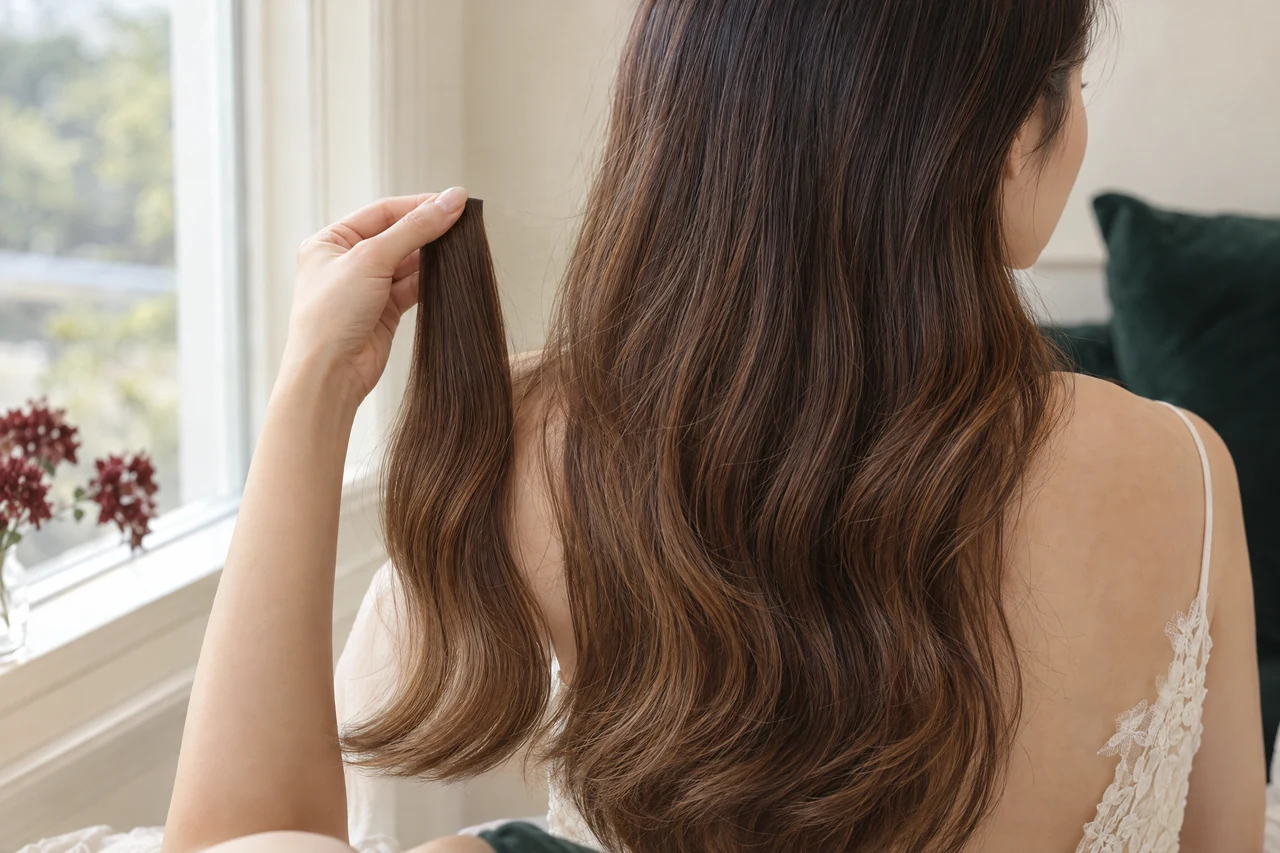
Extensions introduce responsibilities that ordinary hairstyling may not include. Decide who supplies the hair, matches its colour, fits it and explains later care. Then ask the wedding hairstylist whether they accept that material and attachment method for the planned look. A provider who can curl or arrange added hair has not necessarily agreed to install it, alter its attachments or remove another provider's work.
The hair extensions hong kong page discusses consultation, matching, method selection, installation and aftercare. It also mentions professional removal, but that does not establish removal as part of your bridal appointment. Ask the extension provider to confirm the chosen method, what the hairstylist may handle, who answers attachment questions and how a removal appointment is arranged. Request an itemised scope rather than assuming materials, fitting and maintenance are all covered together.
Vit So's hair extensions page can help frame a separate enquiry about length, volume and upkeep. Share the resulting specification with the bridal hairstylist before the look is finalised. The purpose is coordination, not a claim that either related brand automatically accepts another provider's work. If the providers cannot agree on handling or removal, resolve that uncertainty before committing to the added hair.
Temporary and longer-wear methods should not receive the same blanket end-of-evening instruction. Ask the person who fitted the actual piece whether removal is intended that night and who should do it. Do not improvise by pulling at attachments or borrowing someone else's removal product. Keep any supplied care instructions and the provider's contact with the wedding information, separate from the makeup kit.
Close the booking with a removal and escalation handover
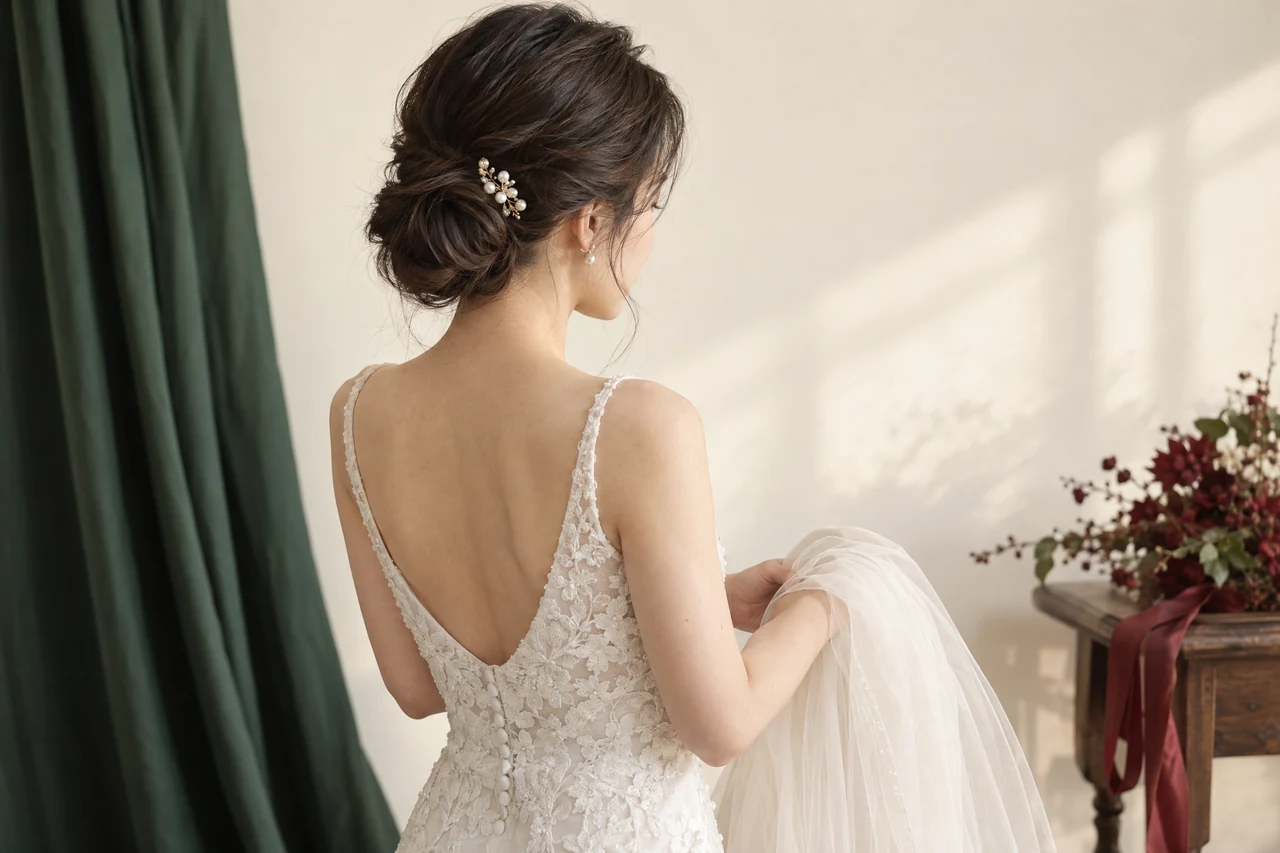
Before the provider leaves, confirm what should stay in place and what may come off later. Veil removal, decorative-accessory removal, unpinning the hairstyle and removing extensions are not interchangeable jobs. Ask the hairstylist to identify the veil fastening and explain whether an agreed helper can handle it without disturbing the supporting hair. If professional assistance is needed, book it; do not treat an illustration or a quick mirror glance as training.
Give the person coordinating the wedding a concise record of responsibilities, with your permission to share the necessary details. It should distinguish the booking contact from the makeup, hair and extension contacts where these differ. Record what to do if a provider is delayed, a helper cannot manage the agreed task or a requested correction falls outside the scope. A clear fallback is more useful than a vague instruction to call the salon.
Separate an appearance question from an unexpected reaction to a product. FDA guidance advises stopping the product and contacting a healthcare provider after an unexpected reaction. [2] Do not ask a touch-up helper to conceal discomfort or diagnose its cause. This article is about cosmetic-service coordination, not medical assessment, and no provider's beauty booking should be interpreted as that assessment.
Use a task record that both sides can confirm
For each task, write the responsible person, agreed location, completion point and next contact. Send that record back to the booking provider for confirmation. If an answer is still pending, label it unresolved and decide whether to narrow the requested service or seek a separate booking before paying for the wider scope.
Compare confirmed responsibilities, not similar-sounding package names.
| Arrangement | When it may fit | What to confirm | Do not assume |
|---|---|---|---|
| Combined makeup and hair | You want one coordinated appointment | Named roles and a joint final check | One artist performs every task |
| Separate makeup and hair | You prefer different providers | Shared references and overlap decisions | Either provider corrects the other's work |
| Personal kit with advice | You accept simple self-managed refreshes | Contents, instructions and contact scope | A professional is at the venue |
| Booked venue attendance | You want agreed in-person adjustments | Location, attendance window and exclusions | Unlimited restyling or extra party members |
| Separate extension service | Added length or volume needs fitting | Material, handling, maintenance and removal | The bridal package includes attachment care |
Your preparation checklist
- Name the people completing makeup, hair and the joint final review.
- Record the preparation address and confirm any travel terms in the written quote.
- Distinguish the personal kit, remote advice and any booked venue attendance.
- List each party member's requested service and ask for actual staffing confirmation.
- Assign veil, accessory and extension removal to the appropriate confirmed person.
- Keep the agreed scope, exclusions, payment and change terms with the relevant contacts.
Frequently asked questions
Does booking bridal makeup automatically include hair?
Not from the service name alone. Some public packages describe both, while other appointments separate them. Confirm the actual quoted work, the person responsible for hair and whether accessories and a joint final review are included.
Does a touch-up kit mean the artist stays all day?
No. A kit is a set of items, and messaging support is remote advice. Physical attendance needs its own confirmation of location, window and permitted work. Ask how a correction is handled when the artist is not present.
Can my makeup artist remove my extensions?
Do not assume so. Ask the extension provider who should remove the actual attachments and whether a separate appointment is required. A makeup booking or familiarity with loose hairpieces does not establish responsibility for extension removal.
Can I add relatives to an existing bridal booking?
Only after the provider confirms their services and the effect on staffing and your own preparation. Group-booking wording is not a reservation for additional people. Have any agreed additions and their charges recorded before relying on them.
Ask for a responsibility-based quote
Send your chosen provider the look references, actual preparation address, party requirements and any extension details. Ask them to return a written allocation of completion, support and removal tasks. Vit So is in Sheung Wan; DT HUB's public service location is in Kwun Tong. Choose the confirmed scope that fits your wedding, not a shared-owner assumption that services transfer between them.
Start your WhatsApp enquirySources & further reading
- Hong Kong Consumer Council: Package Price of Overseas Wedding Services Varied Widely Beware of Surcharge and Service Terms to Avoid Over Budget
The Hong Kong Consumer Council advises comparing wedding-package contents and recording special requirements in a written contract. Its report concerns overseas wedding packages; the article applies that documentation principle to beauty-service enquiries without presenting the survey as evidence about DT HUB or current local beauty prices.
- U.S. Food and Drug Administration: Using Cosmetics Safely
Personal touch-up kits should not be shared; users should wash hands, follow product labels, and keep containers clean and closed. The FDA also advises stopping a product and contacting a healthcare provider after an unexpected reaction. No cosmetic performance or medical efficacy claim is made.



