







Vit So and DT HUB have the same owner. The DT HUB links in this article are promotional enquiry destinations, not independent reviews or medical endorsements. Vit So's Sheung Wan location and DT HUB's Kwun Tong studio are distinct service locations; service scope and availability must be confirmed with the relevant provider.
Hair system care gaps and backup wear: decide before the missed visit
A bonded hairpiece maintenance interruption can arise from travel, illness, caring responsibilities or a cancelled appointment. The important question is not simply when you can return, but whether the attachment can be reviewed before the unavailable period starts. Tell the provider the dates you cannot attend, when the system was last serviced and any changes you have noticed. Ask whether an earlier visit, another suitable provider or professional removal is appropriate for your particular system.
DT HUB's men's hair system hong kong page describes both fixed adhesive wear and removable systems, with maintenance discussed as part of the service. Use that distinction to ask about your existing base and attachment, not to borrow a generic maintenance interval. If the piece was fitted elsewhere, confirm that the provider can work with it before arranging a handover. Published service descriptions do not guarantee an urgent appointment.
Professional removal and a break from wearing are related but separate decisions: removal deals with the current attachment; the break determines what happens afterwards. Choosing no hairpiece for a period avoids taking on another fitting routine, although you may dislike the visible change. If continued coverage matters for work or social comfort, discuss a removable backup in advance. Do not plan to wear another piece over an attached system as an improvised substitute for servicing it.
When the interruption is already under way
Report the missed service and current condition promptly. Describe lifting, pulling or discomfort without repeatedly testing the bond. If removal is needed, arrange appropriate help rather than pulling the system off or attempting home rebonding. Remote advice can help organise the next step, but it cannot inspect everything beneath an attached base.
Check whether a removable partial backup can be supported
A partial backup may suit someone who wants coverage on top while keeping their own side and back hair visible. It still needs to match the area left uncovered after removal, the surrounding hair length and the way you normally part your hair. A colour match alone is not enough: a piece that looks convincing from the front may have an obvious transition at the sides or crown. Ask to see those views during fitting.
Under DT HUB's toupee hong kong listing, partial pieces sit alongside several other men's options. The word toupee does not tell you whether an individual piece can be taken off daily or whether its attachment suits your supporting hair. Ask the fitter to identify how it stays in place and demonstrate its intended handling. Where clips are proposed, suitable hair must be available at the actual contact points; do not assume recently trimmed surrounding hair provides enough support.
Bring your everyday glasses and describe the movements your temporary routine involves. The questions in men's removable hairpieces for active work help you explain those conditions, but a maintenance interruption adds a different constraint: you may have little access to fitting adjustments. Choose a backup you can manage under those conditions, not one whose appeal depends on further appointments you cannot attend.
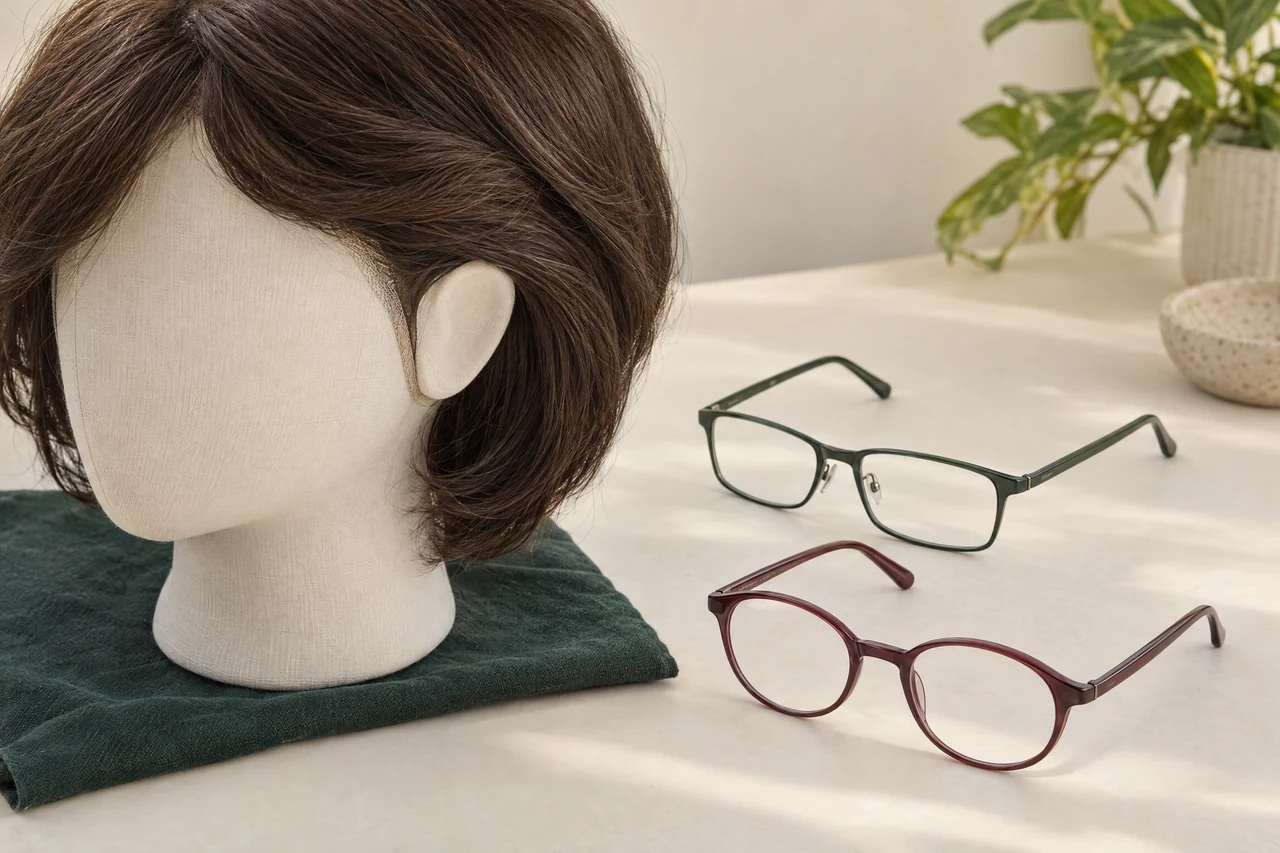
A full men's wig changes coverage and care responsibilities
A removable full wig is worth comparing when partial-piece support is unsuitable or when blending with the remaining hair would be difficult. It covers a wider area, so its fit needs attention around the ears and nape as well as the front. A full wig is not automatically an easier or more comfortable answer; the cap introduces different contact points, and adjustment must be demonstrated for the actual product.
The men's wig hong kong destination describes full wigs as well as partial hairpieces. When enquiring, state that you need a removable full-wig backup during an interruption, rather than another fixed system. Ask whether the intended cap and attachment allow the off-head routine you need. Confirm fitting and availability directly, rather than treating ready-to-wear wording as a promise that a suitable piece can be supplied immediately.
Vit So's guide to full head wigs helps separate full coverage from partial coverage before you discuss a specific product. Once coverage is settled, compare the care burden. Macmillan notes that human-hair wigs may need regular professional cleaning and styling, while blended wigs can require special care because of their synthetic fibres.[2] Those points concern removable wigs, not the servicing of a bonded base.
Use wig care to prepare questions about cleaning, drying and storage, then follow the instructions supplied for your own piece. Ask where it will dry and what you will wear while it is unavailable. Macmillan explains that a second wig can be useful while another is being cleaned.[2] That is a practical reason for spare coverage, not a requirement to purchase more than you need.
Test the off-head routine, not just the mirror view
Before relying on the backup, make sure you understand its intended removal and replacement and can accommodate its care routine. A style that requires professional restyling after cleaning may be poorly suited to a period without appointments. Ask about fibre-specific heat limits rather than assuming familiar styling tools are suitable; Macmillan warns that heat can damage wig fibres.[2]
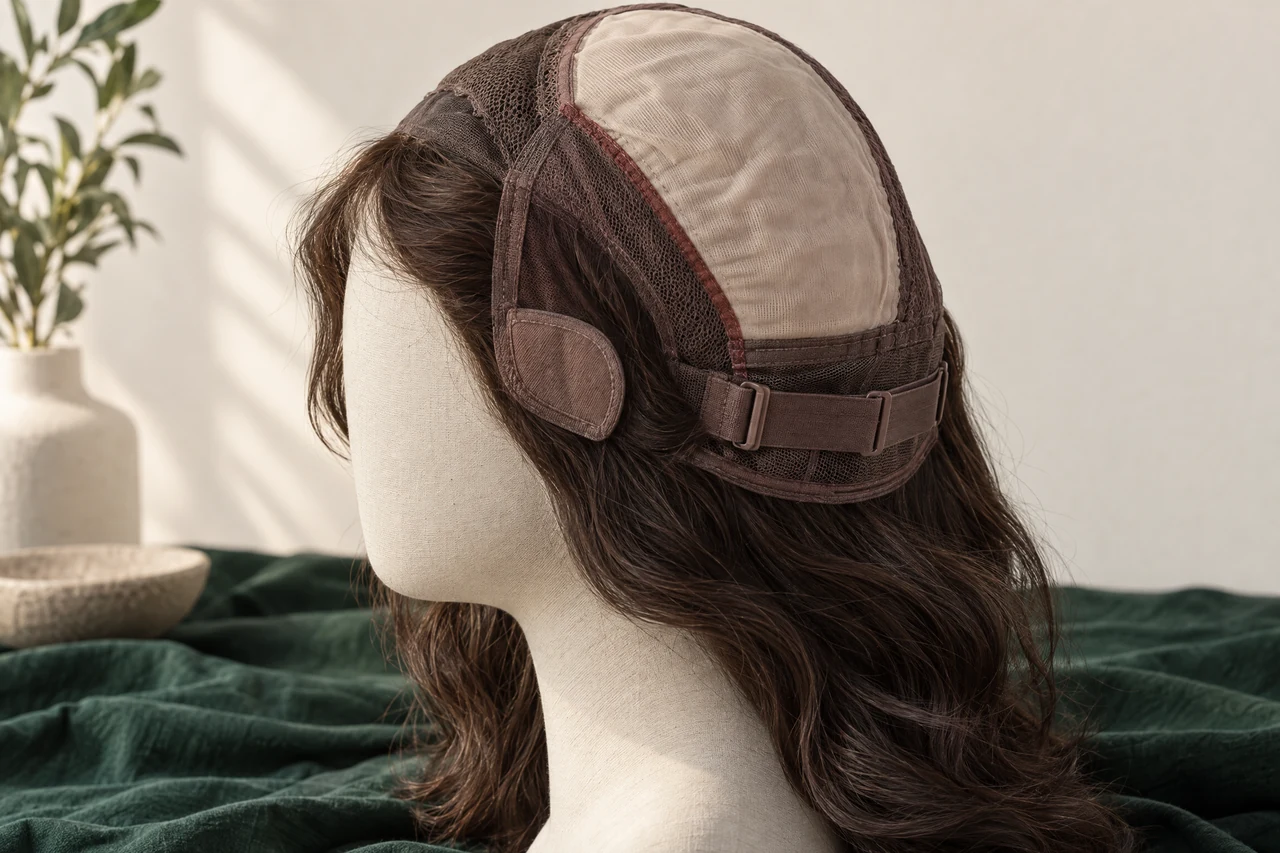
Keep front-only coverage a cosmetic choice, not a shortcut
If your main concern is the visible front or temples, a smaller coverage option may be enough for some occasions. Define the boundary you want covered and how you wear the front hair. A relaxed fringe and a swept-back style expose different areas. Reducing the coverage area can change the appearance and handling, but it does not by itself resolve attachment or comfort problems.
DT HUB's receding hairline cover page presents wigs, systems and toppers as cosmetic options. For a care gap, ask which option is removable and what its front edge needs during wear. A smaller frontal piece may still require adhesive, putting you back into the maintenance commitment you were trying to pause. It covers an area visually; it does not restore hair growth or address the cause of a changing hairline.
Discuss whether the proposed piece contacts the same area as the previous attachment and whether any discomfort changes its suitability. Do not assume a small base leaves the affected area free or that lighter coverage cannot irritate skin. You can decide that temporary no-piece wear is preferable to another attachment, even if the smaller option looks attractive. The decision should reflect what you can comfortably manage, not a promise of an invisible edge.

Confirm attachment compatibility without improvising a repair
Keep the existing attachment product information with the system's paperwork. A replacement provider needs to know the base construction and the named products used, including any relevant past reactions. If you do not know, ask the original supplier rather than guessing from the colour or texture of residue. A removable backup also needs its own instructions; an attachment method used on the old piece is not automatically suitable for the new one.
The DT HUB wig glue page discusses differing formulations and tape constructions. Use it to ask for the exact product, base compatibility and professional removal arrangements. Broad labels such as medical-grade or hypoallergenic do not establish suitability for you. This article gives no solvent selection, application sequence or home rebonding method; those details must not become a way to work around an unreviewed attachment.
Do not add fresh adhesive to disguise a lifting old bond, switch to a stronger product or mix attachment products to reach the next appointment. New itching, blistering or cracked skin should not be dismissed as a scheduling inconvenience. The NHS advises seeing a GP for persistent, recurrent or severe contact-dermatitis symptoms.[1] Similar-looking symptoms can have different causes, so this is a boundary for seeking medical assessment, not a diagnosis that your adhesive caused them.
Organise the handover and return to maintenance
Ask for a written plan that identifies who will handle the existing system, whether removal or another service is booked, and what you will wear afterwards. Include a contact route for problems during the interruption. If you will be away, verify access to suitable assistance at the destination rather than assuming any salon can accept your base and products. Keep the booking confirmation with the care instructions.
Separate the quote into the work you are actually considering: the current system's service or removal, backup fitting and any later adjustment. Ask what is included in each part. You may decide professional removal plus a wearing break is preferable to purchasing a backup whose care would also depend on appointments. If you choose spare coverage, leave time to practise its demonstrated routine and report fitting concerns before relying on it outside the home.
Arrange a return review without assuming reattachment must happen immediately. Tell the provider how the interruption went, whether the backup was manageable and whether the surrounding hair or your needs have changed. A break has no universal length that makes skin ready for another attachment. If symptoms remain, medical assessment takes priority over restoring the previous appearance. Your plan should still work if the return visit leads to a different wearing choice.
Four decisions to compare during a maintenance interruption; removal may precede any of the wearing choices.
| Decision | When to consider it | Main limitation | Confirm before relying on it |
|---|---|---|---|
| Professional removal | The current attachment cannot receive its planned care | Requires suitable help; does not provide replacement coverage | Acceptance of your base and products, booking and scope |
| A break from wearing | You prefer no new fitting commitment after removal | Visible appearance changes; no promised skin recovery timetable | How the existing system will be handled and when to review |
| Removable partial backup | You want targeted coverage with suitable supporting hair | Blending and contact points still need fitting | Support, attachment, daily handling and adjustment access |
| Removable full-wig backup | You need broader coverage or cannot support a partial piece | Cap contact, cleaning and drying need planning | Fit, off-head routine, fibre instructions and availability |
Your preparation checklist
- Record the unavailable dates, last service and any attachment or comfort changes.
- Confirm who can accept the existing base and named attachment products.
- Arrange the current system's service or professional removal before choosing replacement coverage.
- Fit any removable backup for the required area and check it with everyday eyewear.
- Keep product-specific care instructions and a practical drying and storage arrangement.
- Confirm the return review and seek medical advice for persistent, recurrent or severe skin symptoms.
Frequently asked questions
Can I simply delay maintenance until I return?
Do not use a general wear-time estimate as permission to miss your own care plan. Contact the provider with the dates and current condition. Discuss an earlier review, suitable alternative assistance or professional removal; an appointment delay does not establish that continued attachment is appropriate.
Can my current bonded piece become a removable backup?
Only a review of its construction, condition and intended attachment can answer that. Ask the supplier whether conversion is suitable and what work it would require. Do not change attachment methods yourself or assume the old base can accept clips or another product.
Is a frontal piece easier than a full wig during a care gap?
It may provide enough cosmetic coverage, but smaller size does not guarantee easier care or greater comfort. A frontal piece can still need adhesive and maintenance. Compare its actual removal routine with a removable full wig and with taking a break from wearing.
What if I cannot find a suitable backup in time?
Do not let the absence of spare coverage become a reason to improvise a bond repair. Speak to the provider about handling the existing attachment and consider temporary no-piece wear after appropriate removal. Backup availability and the current system's care are separate questions.
Discuss the interruption before committing to replacement coverage
Bring your unavailable dates, existing system information and the appearance you want to maintain. Ask the relevant provider about professional removal and a manageable removable backup, with availability and the work included confirmed directly. You can choose a wearing break instead; continued coverage should not depend on home rebonding or ignoring symptoms.
Start your WhatsApp enquirySources & further reading
- NHS: Contact dermatitis
Persistent, recurrent or severe skin symptoms warrant medical assessment rather than a different attachment product. The article does not diagnose adhesive reactions or prescribe treatment; this official health source is not proof of hair-system safety.
- Macmillan Cancer Support: Wigs for cancer treatment
Supplier care instructions matter; human-hair wigs may require professional cleaning and styling; a second wig can cover cleaning downtime. Blended wigs may need special care and heat can damage wig fibres. These removable-wig care points from cancer-support information do not justify extending bonded wear or prove attachment-product safety.



