







Vit So and DT HUB have the same owner. The DT HUB links are related-brand promotional references, not independent medical recommendations. Vit So's salon scope in Sheung Wan is separate from DT HUB's Kwun Tong services; neither a styling discussion nor this article replaces clinical assessment.
Hairline photos for a medical visit are a record, not a verdict
A photograph can help you point to a concern that is difficult to describe in the appointment. It cannot establish the medical cause of a visible gap, predict progression or decide whether treatment is appropriate. The American Academy of Dermatology describes an assessment that begins with questions and examination, with additional tests sometimes needed. Your images belong within that process rather than replacing it. [1]
Use plain observations such as a more visible area at the left temple or a crown that looks different from an older image. If you read DT HUB's male hair loss treatment page, treat its service label as a topic for questions about assessment and evidence, not a conclusion about yourself. The page groups several concerns together; your clinician still needs to consider your particular history and examination.
Appearance language also needs care. Vit So's explanation of fine hair vs thin hair separates strand texture from visible density, which can help you describe your concern more precisely. Neither term, used casually or in a photograph, confirms hair loss. Say whether your worry is newly visible scalp, a changed front outline or hair that has always felt fine, and let the clinician interpret the distinction.
Make the next photo comparable to the last
Choose a place with steady, even light and a background that makes the hair outline easy to see. Use the same phone camera, similar distance and the same head position when practical. Avoid beauty filters, portrait blur and edits that alter contrast around the hairline. Keep the original files so the clinician can see what was captured, not just a tightly cropped or enhanced version.
Record a front view, each temple and an overhead crown view. A helper can make the crown angle easier to repeat; do not balance unsafely to take it yourself. Keep enough forehead or ear in the frame to show orientation. Gently move loose fringe aside if comfortable, but do not pull tightly or repeatedly manipulate an irritated scalp to reveal more skin.
Match the hair state as well as the camera setup. Dry loose hair, wet clumped hair and hair with concealing products are not interchangeable records. Note whether you recently cut or coloured it, changed your parting, wore a helmet or applied styling products. If an unexpected change first appears in a different setting, save that image with its context instead of silently comparing it with a carefully prepared baseline.
Keep the original and label a separate copy
Use neutral filenames containing the date and view, such as front or right temple. Put arrows or comments on a duplicate if they help identify your concern. Avoid naming a folder after a condition you have not been diagnosed with. A simple description keeps an observation from turning into an assumed medical fact.
Pair temple and crown views with a short timeline
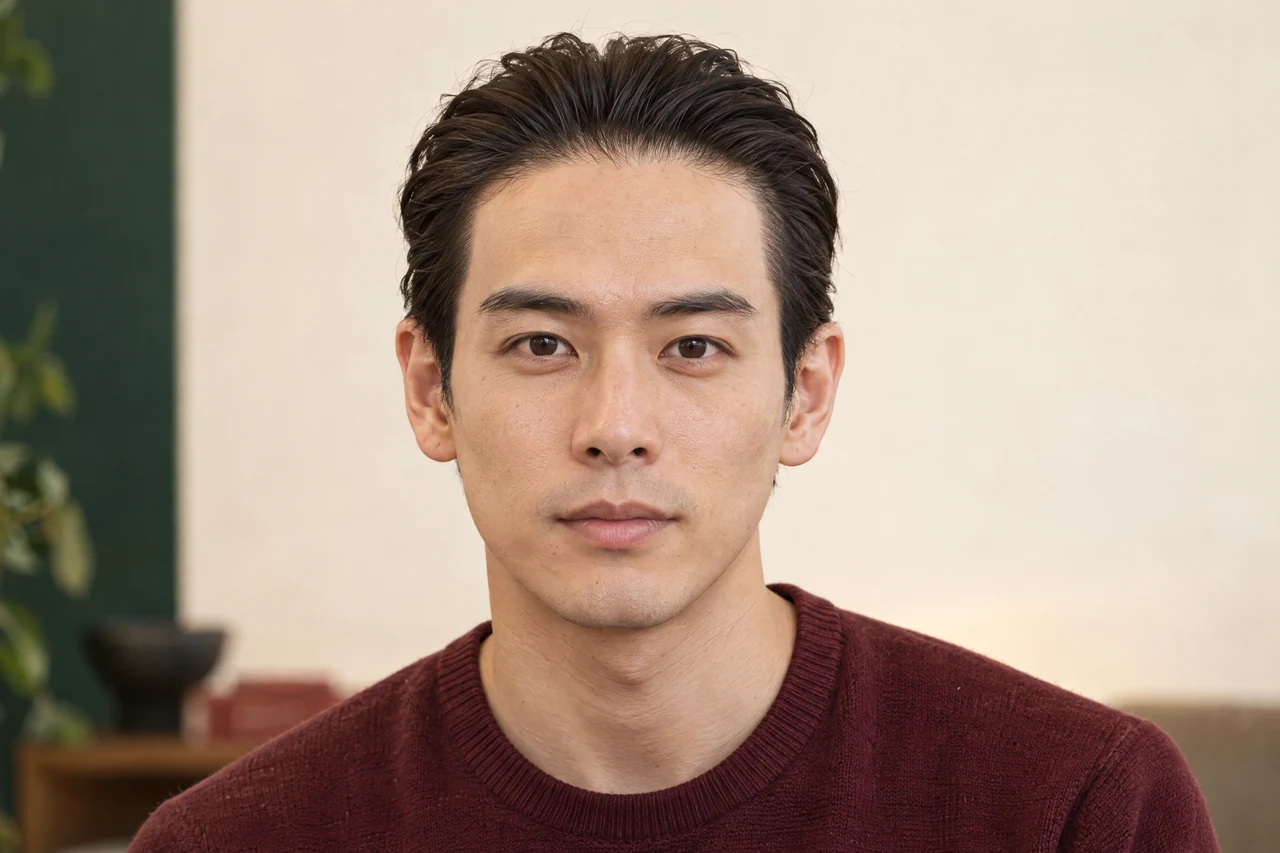
Consistent temple hairline observation notes should explain the setup and the change you think you see. State which side you mean, whether the fringe was moved, and whether the comparison used similar lighting and hair length. If an older photograph is blurry or taken from another angle, label it as limited context. It can still help explain when you first became concerned without proving that the outline changed.
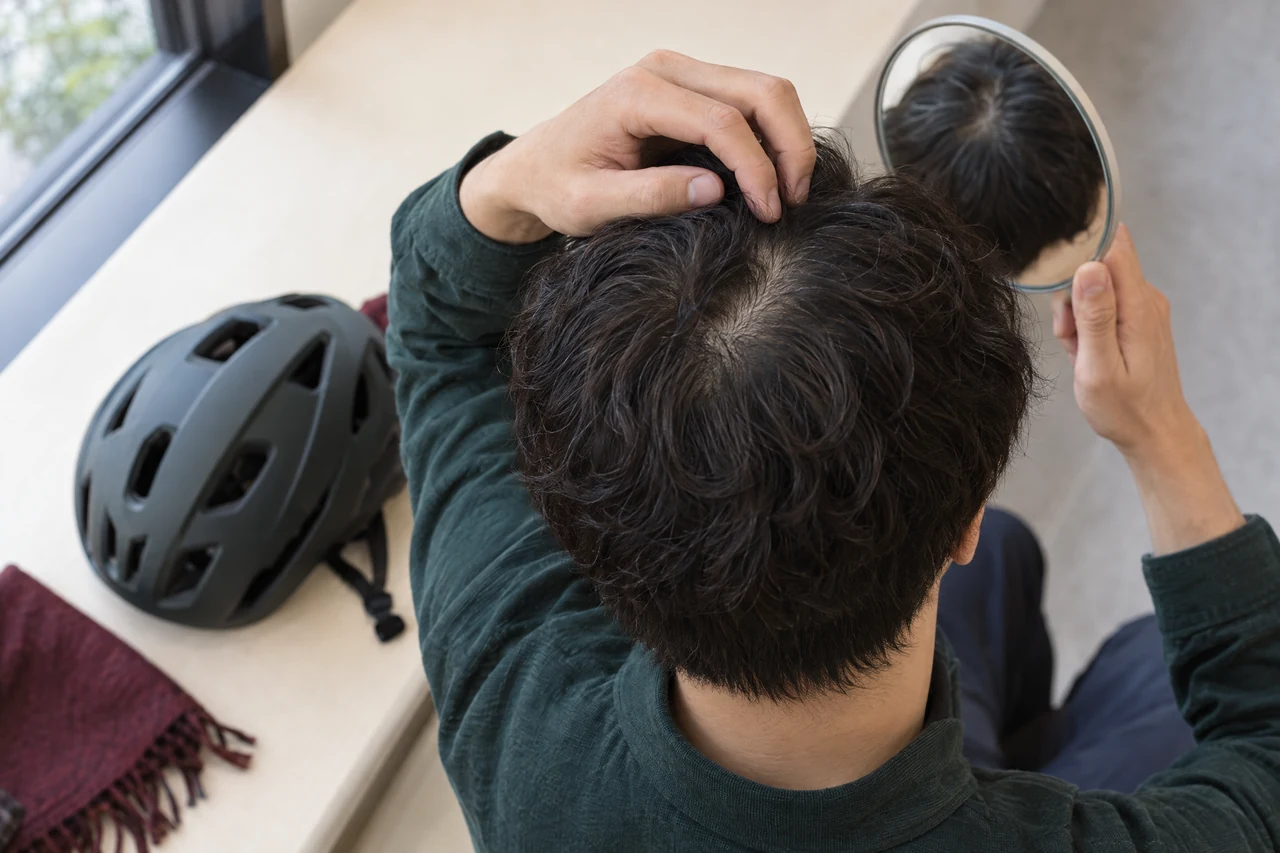
Keep the crown separate from the temples in your notes. Hair direction, parting and the angle from above affect how much scalp appears in an image. Do not turn a single exposed area into a density measurement or a severity grade. A useful note identifies the location, date and viewing conditions, then leaves the interpretation open for examination.
Family history is worth bringing even when it is incomplete. Record which relatives had hair changes and roughly when, marking anything you do not know. If DT HUB's androgenetic alopecia treatment wording prompted your concern, ask your clinician whether that diagnostic term is relevant rather than assuming a family resemblance confirms it. A relative's history does not assign your cause or establish suitability for a proposed service.
Separate first noticed from first photographed
The earliest saved image may be much later than the first change you remember. Write both dates if possible, using an approximate month or year when necessary. Add whether the change seemed gradual or abrupt. AAD identifies duration and speed of onset as important information for the dermatologist; uncertainty is better than invented precision. [1]
Bring health context before discussing treatment labels
Prepare a list of medicines, supplements and topical products, including recent changes and dates when you know them. Mention relevant illness, surgery or other health changes without declaring that any one event caused the hair change. Do not stop a medicine, start a hair-loss product or add a supplement to test a theory from your photos. Ask your prescribing clinician or pharmacist about medicine concerns.
A description of a receding outline is not a treatment decision. When asking about the scope of DT HUB's receding hairline treatment information, separate the question of what has changed from the question of what assessment is needed. Ask what evidence supports any proposed approach for an established diagnosis, what risks need discussion and who is responsible for medical decisions. A label on a service page cannot answer those questions for you.
Arrange medical assessment first for persistent loss, sudden change, distinct patches or hair loss with a painful, red or inflamed scalp. Do not wait for a tidier series of images or a cosmetic appointment. Tell the clinician about symptoms even when the photos look unremarkable. If considering complementary care, discuss it with your healthcare team and do not use it to replace or delay conventional care, as NCCIH advises. [2]
Flag situations needing individual safety guidance
Pregnancy, breastfeeding and care for a child require particular healthcare-provider discussion before TCM approaches. [2] During chemotherapy, ask the treating team before any scalp-contact service, adhesive, herbal product or needle-based procedure. Do not assume a gentle-sounding service is appropriate. This is a boundary for individual guidance, not permission to proceed.
Distinguish a scalp image from a clinical evaluation
A magnified image is a different kind of record from a phone portrait. Ask which area was captured, whether that location can be found again, and what the image can and cannot show. AAD describes clinical evaluation as more than looking at one scalp image; questions, examination and sometimes investigations contribute to finding a cause. Detail in a picture should not be confused with certainty about its meaning. [1]
DT HUB's scalp analysis kwun tong page describes magnified scalp imaging and discussion of a proposed plan. Before using that pathway, ask who takes the images, who interprets them, what records you can receive and when referral for medical assessment is needed. Comparable records may support a conversation, but a commercial scan or report should not be treated as proof of a medical cause or of treatment effectiveness.
Vit So's scalp treatment page concerns a salon-care scope that should remain separate from evaluating unexplained hair loss. If you want cosmetic scalp care, ask what it involves and whether it should wait until your clinician has assessed symptoms. NCCIH notes limitations in Chinese herbal research and possible safety problems; a broader discussion of TCM cannot establish that a particular hair-loss service works. [2]
Keep appearance choices separate from the medical record
You can have an appearance concern without making the styled version your medical baseline. Keep unaltered observation images separate from photographs showing a preferred fringe, parting or covered outline. AAD states that wigs and concealers cannot slow hair loss or help hair regrow. Their cosmetic purpose is different from investigating why a change happened, and an attractive image does not establish a medical outcome. [1]
If you wish to ask DT HUB about receding hairline cover, focus on the area covered, attachment, removal, comfort and maintenance. Its main page discussion concerns wigs and related non-surgical coverage options. Ask how the scalp will remain accessible for examination and follow-up records. Confirm individual suitability and the written service scope rather than assuming an image or marketing phrase guarantees fit.
For a styling discussion, Vit So's volumising hair styling page can help frame an appearance goal using the hair you have. Bring those preferences separately from your medical notes, especially if changing direction or lift would make comparisons harder. At the medical visit, ask which views are useful, whether to continue recording, and how often. There is no need to keep taking photos merely to make the collection larger.

Choose the record that answers the question; none of these images diagnoses the cause of hair change.
| Record | Useful for | Limitation or next step |
|---|---|---|
| Repeatable front and temple views | Showing the area of concern over time | Match hair position and light; ask for clinical interpretation. |
| Separate crown view | Locating a concern away from the front hairline | Whorl direction and camera angle can change visible scalp. |
| Older casual photograph | Providing approximate historical context | Different styling or image quality limits comparison. |
| Commercial scalp image | Discussing a specific captured area | Confirm location, interpretation and medical referral boundaries. |
| Styled or covered appearance | Explaining a cosmetic preference | Keep separate from the observation baseline; it does not prove regrowth. |
Your preparation checklist
- Save dated originals of the front, both temples and crown, where practical.
- Note lighting, hair state, haircut, parting and any concealing products.
- Write when the concern began and whether the change seemed gradual or sudden.
- Bring family history with unknown details clearly marked.
- List medicines, supplements, topical products and relevant health changes.
- Describe pain, inflammation or patches; seek medical assessment first rather than waiting for more photos.
- Keep cosmetic preferences separate and ask the clinician what follow-up records are needed.
Frequently asked questions
Can a photograph confirm androgenetic alopecia?
No. A photograph and family history can support a conversation, but neither assigns that diagnosis. Bring your observations and ask the clinician to interpret them alongside history and examination. More than one cause can coexist. [1]
Should I postpone the appointment until I have more pictures?
No. Take the useful images you already have. Persistent, sudden, patchy or painful inflamed hair loss needs medical assessment first. A record is preparation for care, not a reason to delay it or to begin a cosmetic service instead.
How often should I photograph my hairline?
Ask your clinician what interval is useful for your situation. A repeatable setup matters more than accumulating daily images. If taking pictures increases distress or leads to repeated checking, say so at the appointment and discuss a manageable approach.
Can I use a styled picture or wear coverage to the visit?
A styled picture can explain an appearance preference, but label it separately from observation photos. Tell the clinic about coverage and ask beforehand about access for examination. Do not force removal yourself or pull on an uncomfortable attachment to create a photo.
Prepare the record, then choose the right conversation
Bring a short timeline and the clearest comparable views to your clinician. For a separate Vit So styling enquiry, explain your appearance goal and any medical guidance affecting scalp contact. You do not need to choose a treatment or coverage option before the cause of an unexplained change has been assessed.
Start your WhatsApp enquirySources & further reading
- American Academy of Dermatology: Hair loss: Diagnosis and treatment
A dermatologist gathers onset information, examines the scalp and other affected areas, and may order tests when indicated. Photographs support but do not replace assessment. The page states that wigs and concealers cannot slow hair loss or regrow hair; only this cosmetic limitation is used, not treatment efficacy claims.
- NCCIH: Traditional Chinese Medicine: What You Need To Know
Discuss complementary care with healthcare providers; do not replace or delay conventional care. Herbal products and improperly delivered acupuncture can have risks. Pregnancy, nursing and childhood require particular consultation. Chemotherapy contact questions are deferred to the treating team as a precaution, not attributed as a specific finding of this source. Broad TCM research is not evidence of hair-loss benefit.



